
🌊 7 Essential Facts About Diving Hypothermia Every Diver Should Know
When we think about scuba diving, we imagine colorful reefs, crystal-clear water, and adventure. But beneath the beauty of the ocean lies one hidden risk every diver must […]
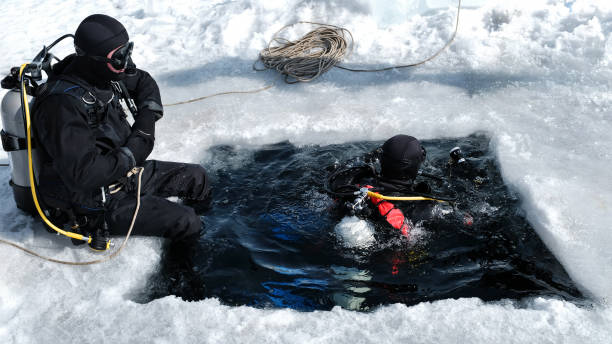
When we think about scuba diving, we imagine colorful reefs, crystal-clear water, and adventure. But beneath the beauty of the ocean lies one hidden risk every diver must respect — diving hypothermia. This condition can silently affect divers, even in warm tropical waters, and understanding it can mean the difference between a safe dive and a dangerous one.
In this article, we’ll explore seven essential facts about diving hypothermia, its symptoms, prevention, and recovery, to help you dive safely and confidently.
1️⃣ What Is Diving Hypothermia?
Diving hypothermia occurs when the body loses heat faster than it can produce it. Underwater, heat loss happens 25 times faster than in air because water conducts temperature efficiently.
Even in water as warm as 24°C, long exposure can lower your core temperature. Divers often underestimate how quickly this happens, especially during deep or repetitive dives. The body’s normal temperature (around 37°C) dropping even a few degrees can impair muscle function, focus, and breathing — a dangerous combination underwater.
2️⃣ Early Warning Signs You Should Never Ignore
Recognizing the early symptoms of diving hypothermia is crucial:
- Uncontrolled shivering
- Numbness in hands or lips
- Sluggish movements or clumsiness
- Confusion or poor decision-making
- Shallow or rapid breathing
If these appear during a dive, ascend slowly with your buddy, end the dive, and warm up immediately. Hypothermia can escalate quickly, reducing reaction time and coordination — two vital abilities for safe diving.
3️⃣ How Water Temperature and Exposure Affect Your Body
The severity of diving hypothermia depends on three main factors:
- Water temperature – The colder the water, the faster the heat loss.
- Exposure time – Longer dives mean greater risk.
- Protective gear – The quality and thickness of wetsuits or drysuits determine how well you retain body heat.
Even tropical divers can experience mild hypothermia during multiple dives in one day. Cold thermoclines (sudden temperature drops) often surprise divers below 20 meters, especially in the Mediterranean and Aegean regions.
4️⃣ Prevention: How to Stay Warm Underwater
Preventing diving hypothermia is far easier than treating it. Here are key prevention tips:
- Choose the right suit: A properly fitted wetsuit or drysuit is your first defense.
- Layer up: Wear thermal undersuits or neoprene hoods and gloves.
- Stay hydrated: Dehydration accelerates cooling.
- Avoid exhaustion: Tired divers lose body heat faster.
- Plan surface intervals: Allow your body to warm up fully between dives.
Wearing the correct exposure protection is not just comfort — it’s safety. Even a 3mm difference in neoprene thickness can extend safe dive time significantly.
5️⃣ The Role of the Dive Buddy System
The buddy system is critical in preventing and identifying diving hypothermia. Divers experiencing early symptoms may not recognize them themselves. Your buddy can notice:
- Slower responses
- Poor buoyancy control
- Unusual breathing patterns
If a diver starts shivering uncontrollably, end the dive calmly and perform a controlled ascent. On the surface, help them out of wet gear and into dry, insulated clothing. Warm, sugary drinks (never alcohol) aid recovery.
6️⃣ Post-Dive Recovery and Treatment
After surfacing, a diver suffering from diving hypothermia must be rewarmed gradually:
- Move to a sheltered area away from wind.
- Remove wet clothing and wrap the diver in blankets or a drysuit liner.
- Offer warm (not hot) fluids.
- Monitor breathing and consciousness.
If shivering stops and the diver becomes confused or sleepy, seek medical attention immediately — this may indicate moderate to severe hypothermia requiring professional care. Never use direct heat sources like hot water or heaters on cold skin, as it can cause shock.
7️⃣ Long-Term Prevention: Training and Awareness
The best divers are those who respect their limits and prepare properly. Regular training helps recognize diving hypothermia before it becomes dangerous. Many diving centers now include “thermal protection awareness” in PADI and CMAS courses.
Before each dive trip, check:
- Water temperature forecasts
- Suit condition (no leaks or loose zippers)
- Dive plan including duration and depth
Remember: safety is not about being brave — it’s about being smart.
🌍 The Connection Between Diving Locations and Hypothermia Risk
Some diving destinations in Turkey, such as Kaş, Fethiye, and Gallipoli, have seasonal thermoclines. Even during summer, deep dives below 25 meters can expose divers to sudden temperature drops from 28°C to 18°C.
This makes diving hypothermia awareness vital, even for Mediterranean divers. Dive centers often advise short exposure times and recommend full wetsuits even when surface water feels warm.
💙 Conclusion: Respect the Cold, Enjoy the Dive
Diving hypothermia is one of the most underestimated risks in scuba diving. It doesn’t only happen in Arctic waters — it can occur anywhere, anytime, if divers neglect proper protection and awareness.
By understanding the early signs, preparing with the right equipment, and diving responsibly, you can enjoy every underwater adventure safely.
So before your next dive, check your gear, brief your buddy, and remember:
A warm diver is a safe diver.
Stay warm, dive smart, and let diving hypothermia awareness be part of every diver’s education.